
Financial Guidance
The Best Health Insurance Options Post-layoff

Losing your job is stressful enough without worrying about health insurance. At Layoff Lifeline, we understand that navigating health insurance options post-layoff can feel overwhelming. The impact of losing your employer-sponsored health insurance extends beyond just the immediate concerns – it affects your entire family’s well-being and financial security.
Today’s employment landscape has shifted dramatically, with more people experiencing job transitions than ever before. The good news is that you have several viable options for maintaining health coverage. Let’s break down these choices and create a clear path forward that ensures you and your family stay protected.
Key Takeaways
- You have 60 days after job loss to choose between COBRA continuation coverage and Marketplace health insurance plans
- Special Enrollment Periods allow you to enroll in health insurance outside standard enrollment windows
- Financial assistance through premium tax credits and Medicaid may be available based on your income
Understanding Your Rights
When it comes to health insurance after job loss, you have more protections than you might realize. The law provides several safeguards to ensure continuous coverage remains accessible. Under federal law, employers with 20 or more employees must offer COBRA continuation coverage, giving you the right to maintain your existing health plan.
Your employer is legally required to provide written notification of your COBRA eligibility within 30 days of your last day. This notice will outline your rights and responsibilities, including important deadlines. State laws may provide additional protections, so it’s worth checking your local regulations. Many states have implemented their own continuation coverage requirements that may apply to smaller employers or offer extended coverage periods.
COBRA Coverage
COBRA continuation coverage allows you to keep your existing employer plan, but there’s an important consideration: you’ll be responsible for the full premium plus a 2% administrative fee. This means you’ll pay both your portion and what your employer previously contributed, which can be a significant increase in your monthly expenses.
Despite the higher cost, COBRA offers several advantages. You maintain access to your current healthcare providers and there’s no disruption in your coverage. The familiarity of keeping your existing plan can provide peace of mind during an already challenging transition period. Coverage typically lasts 18 months, though certain qualifying events may extend this period.
Healthcare Marketplace Plans
The Health Insurance Marketplace presents an alternative to COBRA that often proves more affordable thanks to premium tax credits. When you lose job-based coverage, you qualify for a Special Enrollment Period, giving you 60 days to select a new plan. This opportunity exists outside the standard annual enrollment window, ensuring you don’t have to wait to secure coverage.
Marketplace plans come in various levels – Bronze, Silver, Gold, and Platinum – each offering different balances of monthly premiums and out-of-pocket costs. Many people are surprised to learn they qualify for substantial financial assistance, especially when accounting for reduced income after job loss. Coverage can begin as soon as the first day of the next month after you enroll.
Government Programs
Government-sponsored health coverage could be your lifeline during this transition. Medicaid eligibility is primarily based on your current monthly income, not what you earned before job loss. This means you might qualify even if you didn’t before, especially if you’re receiving unemployment benefits. Coverage is comprehensive and typically involves minimal out-of-pocket costs.
For families with children, CHIP coverage provides an additional safety net. This program bridges the gap for families whose income may be too high for Medicaid but still need assistance with healthcare costs. Each state administers its own program, with varying income limits and benefits.
Alternative Coverage Options
Sometimes traditional options don’t fit your situation. Your spouse’s employer-sponsored plan could be an excellent alternative through a Special Enrollment Period. Many professional associations and trade groups offer group health plans to members, often at competitive rates.
Short-term health plans can provide temporary coverage, though they typically offer limited benefits and may not cover pre-existing conditions. Health-sharing ministries represent another alternative, though they’re not traditional insurance and have specific requirements for membership.

COBRA vs ACA Marketplace: Cost Comparison
COBRA typically costs $700-$2,000 monthly for individual coverage or $1,800-$5,000 for families, as you pay 102% of the full premium. ACA Marketplace plans often cost 40-60% less than COBRA, especially if your reduced income qualifies you for premium subsidies. Choose COBRA if you’ve already met your deductible for the year or need to keep your current doctors without disruption.
Important Enrollment Deadlines You Cannot Miss
You have 60 days after losing coverage to elect COBRA, and the coverage is retroactive once you pay. Job loss triggers a Special Enrollment Period for the ACA Marketplace, giving you 60 days to enroll outside the regular open enrollment. Missing these deadlines can leave you without coverage options until the next open enrollment period.
How to Join Your Spouse’s Health Plan
Losing your job qualifies as a life event that allows you to join your spouse’s employer-sponsored plan outside their typical enrollment period. Contact your spouse’s HR department immediately to understand their coverage options, costs, and required documentation. This option often provides better value than COBRA while maintaining comprehensive coverage similar to what you had.
Managing Pre-existing Conditions
If you’re managing chronic health conditions, continuity of care becomes crucial. The Affordable Care Act protects those with pre-existing conditions, ensuring you can’t be denied coverage or charged more. When evaluating plans, carefully review provider networks to ensure your current healthcare team remains accessible.
Financial Planning & Cost Management
Understanding the true cost of health coverage requires looking beyond monthly premiums. Consider your typical healthcare usage, prescription needs, and any planned procedures. HSA or FSA accounts from your previous employer may still be accessible – review the rules carefully.
Tax implications can significantly impact your decision. Premium tax credits through the Marketplace can substantially reduce monthly costs, while COBRA premiums might be tax-deductible. Creating an emergency fund specifically for healthcare expenses provides additional security during this transition.
Mental Health Coverage
During career transitions, mental health support becomes especially important. Many plans now offer expanded telehealth services, making it easier to access care from home. Review mental health coverage carefully when comparing plans, as benefits can vary significantly.
The Emotional Toll of Job Loss and Health Insurance Concerns
Experiencing a layoff can trigger a cascade of emotions, including anxiety, uncertainty, and fear about the future. These feelings are often compounded by worries about health insurance coverage. The connection between job loss and health security is profound, making it essential to address both emotional and practical aspects of this transition. Understanding your options can empower you to take proactive steps, alleviating some of the stress associated with losing your job.
Recognizing the Psychological Impact
The psychological impact of losing a job extends beyond immediate financial concerns. Many individuals experience feelings of inadequacy or fear about their future employability. This emotional strain can affect decision-making processes regarding health insurance. It’s crucial to acknowledge these feelings and seek support, whether through friends, family, or professional counseling. Mental health resources may also be available through your current or prospective health insurance plans.
Exploring Employer Resources
Severance Packages and Benefits
If your layoff comes with a severance package, take the time to thoroughly review it. Many employers offer additional benefits that can ease the transition, including extended health insurance coverage or access to outplacement services that assist with job searches. Understanding the full scope of these benefits can provide a safety net during this challenging time.
Employee Assistance Programs (EAPs)
Many companies provide Employee Assistance Programs (EAPs) that offer confidential counseling and support services. These programs can help you navigate personal challenges related to job loss, including mental health support and financial counseling. If your employer provides an EAP, consider utilizing these resources as you transition to new health insurance options.
Understanding Health Insurance Terms
Key Terminology Explained
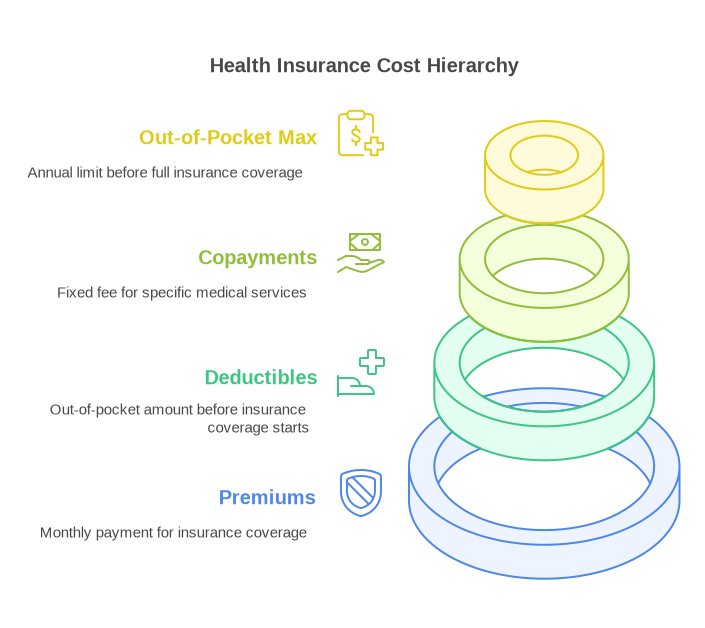
Navigating health insurance options requires familiarity with specific terminology that can often be confusing. Understanding terms such as premiums, deductibles, copayments, and out-of-pocket maximums is essential for making informed decisions.
- Premiums are the monthly payments you make for your insurance coverage.
- Deductibles refer to the amount you must pay out-of-pocket before your insurance starts covering costs.
- Copayments are fixed amounts you pay for specific services, like doctor visits.
- Out-of-Pocket Maximums represent the most you will have to pay in a year before your insurance covers 100% of your medical expenses.
Knowing these terms will help you compare different plans effectively.
Comparing Plans: What to Look For
When evaluating various health insurance options, consider several critical factors:
- Network of Providers: Ensure that your current healthcare providers are in-network for any plan you consider. Out-of-network care can lead to significantly higher costs.
- Coverage Options: Look for plans that cover essential services such as preventive care, prescription drugs, and mental health services.
- Cost Analysis: Beyond premiums, analyze potential out-of-pocket costs based on your expected healthcare needs.
Long-Term Health Insurance Planning
Preparing for Future Employment Changes
As you navigate this transition, it’s important to think about long-term health insurance planning. Consider how your new employment situation might affect your coverage options in the future. If you anticipate returning to work soon, research potential employer-sponsored plans that may be available when you secure a new job.
Building a Sustainable Health Care Strategy
Creating a sustainable healthcare strategy involves not only selecting the right plan but also preparing for potential changes in income and healthcare needs over time. Regularly reassess your coverage as your circumstances change, whether due to new employment opportunities or shifts in family health needs.
Utilizing Community Resources
Local Health Clinics and Nonprofits
If you’re struggling with healthcare costs during this transition period, local community health clinics can provide affordable care options. Many nonprofits offer sliding-scale fees based on income or even free services for those in need. Researching these resources can help bridge gaps in coverage while you secure more permanent solutions.
Support Groups and Networks
Connecting with others who are experiencing similar challenges can provide emotional support and practical advice. Look for local support groups or online forums where individuals share their experiences navigating health insurance after job loss. These networks can offer valuable insights and encouragement during a difficult time.
Staying Informed About Policy Changes
Monitoring Legislative Developments
Health insurance policies are subject to change at both state and federal levels. Staying informed about legislative developments that may affect your coverage options is crucial. For example, changes in Medicaid eligibility criteria or adjustments to the Affordable Care Act could impact your choices significantly.
Engaging with Advocacy Organizations
Consider engaging with advocacy organizations focused on healthcare access and affordability. These groups often provide resources, updates on policy changes, and guidance on navigating complex healthcare systems.
FAQs
What should I do about my health insurance if I lose my job due to a layoff?
How does severance pay affect my health insurance coverage?
Can I qualify for Medicaid after being laid off?
What are my options for health insurance if I terminate my employer-based coverage?
Will I lose my health savings account (HSA) if I’m laid off?
Conclusion
Losing your job is not just a career setback; it profoundly affects every facet of your life, particularly your family’s health and well-being. At Layoff Lifeline, we recognize the emotional and practical challenges you face during this transition. Our dedicated team is here to provide compassionate support and expert guidance as you navigate your health insurance options and secure your family’s future. You don’t have to face this journey alone—together, we can find the best path forward.
Keep Reading
More practical guidance for the financial, career and emotional side of a layoff.


