
Emotional Support
The Best Way to Build a Routine After Job Loss

When you lose a job, it takes more than just your paycheck with it. The structure that once anchored your days, the sense of purpose that filled your hours, and the social connections that enriched your routine all vanish in an instant. Those first few days can feel overwhelming. The good news? You can rebuild that structure stronger than before. Creating a routine after job loss isn’t just about staying busy— it’s about maintaining your mental health, maximizing your job search effectiveness, and positioning yourself for an even better opportunity.
Key Takeaways
• Structure replaces chaos: Creating a daily routine after job loss provides the framework your 9-5 once gave you, helping combat unemployment, depression, and maintain productivity during your career transition.
• Morning rituals set the tone: Starting each day at the same time with a consistent morning routine—showering, dressing professionally, and eating breakfast—creates momentum and prevents the downward spiral of staying in pajamas all day.
• Balance job search with self-care: Treating your job hunt like a full-time position while incorporating exercise, networking, and skill development creates a sustainable approach that protects your mental health and enhances your marketability.
The Hidden Impact of Losing Your Daily Structure

Losing your job means losing “a daily routine, purposeful activity, friendships and a work-based social network, and you and your family’s sense of security.” When that external framework disappears, many people struggle with what experts call “unemployment depression”—a situational form of depression triggered by the loss of structure, purpose, and financial security.
The psychological impact goes deeper than we often realize. Your job provided more than just income; it gave you an identity, a reason to get up each morning, and a built-in social network. According to mental health professionals, the effects of job loss can feel very similar to the grief process, including denial, anger, depression, and isolation.
Without the natural rhythm of commuting, meetings, and deadlines, many people find themselves sleeping in, staying in pajamas all day, and losing track of time. This lack of structure can quickly spiral into decreased motivation, social isolation, and a sense of losing control over your life.
Why Routine After Job Loss is Your Secret Weapon
Creating a structured routine after job loss serves multiple purposes beyond just keeping you busy. Research shows that maintaining regular habits helps you “stay focused and upbeat” while providing the emotional stability needed during career transitions.
Combats Unemployment Depression
A consistent daily routine acts as a psychological anchor during uncertain times. When you create structure for yourself, you’re less likely to “lounge on the couch” and more motivated to accomplish meaningful daily goals. This sense of achievement, however small, helps maintain your self-esteem and forward momentum.
Maintains Professional Readiness
Starting your day at the same time and getting dressed in “real clothing, not sleepwear,” keeps you from falling into unproductive patterns. When that important interview call comes in, you’re already in the right mindset and appearance to handle it professionally.
Maximizes Job Search Effectiveness
Treating your job search like a full-time job with “regular hours” helps you maintain focus while allowing you to “close the laptop when the day is done.” This approach prevents job search burnout while ensuring you’re putting in the necessary effort to find your next opportunity.
Building Your Morning Foundation
Your morning routine sets the tone for everything that follows. The moment you wake up, you can either let your mind spiral into “fight or flight mode” with worries about your situation, or you can channel that energy into purposeful action.
Start at the Same Time Daily
Beginning your day at 6:30 AM or another consistent time “will give your day a good start and keep you structured.” This doesn’t mean you need to wake up at dawn, but consistency is key. Choose a wake-up time that allows for a proper morning routine without feeling rushed.
The Power of Getting Dressed
Taking time each morning to “shower and get dressed in clean clothes” makes you “less tempted to lounge on the couch and feel more motivated to accomplish the day’s work.” This isn’t about wearing a full business suit, but about clothes that make you feel confident and professional.
Fuel Your Body and Mind
Your brain needs fuel, and “a rumbling belly is distracting.” Focus on nutritious breakfast options like eggs and oatmeal that provide sustained energy for your job search activities. A healthy breakfast “keeps you alert and boosts your mood.”
Exercise Before Everything Else
Exercise should happen early before you “check your phone, email, or the latest news” because physical activity “releases endorphins in your brain, which help you to feel more peaceful and positive.” Even a 20-minute walk or quick home workout can dramatically improve your mental state for the day ahead.
Structuring Your Job Search Hours
The core of your routine after job loss should revolve around treating your job search like the important work it is. When you become unemployed, “finding a job becomes your job.” This mindset shift is crucial for maintaining motivation and seeing results.
Time-Blocking for Success
Batching similar tasks together “helps reduce switching costs,” which is the mental energy wasted when constantly changing between different types of activities. Consider dedicating specific time blocks to:
- 8:30-10:30 AM: Job board searches and application reviews
- 10:30-11:00 AM: Break and physical movement
- 11:00 AM-12:30 PM: Application customization and submissions
- 12:30-1:30 PM: Lunch break
- 1:30-3:00 PM: Networking activities and follow-ups
- 3:00-4:00 PM: Skill development and learning
The Four-Hour Rule
Focus on “four hours of intensely focused blocks” for your job search activities, then stop. This prevents burnout while ensuring you’re putting in substantial effort. Quality matters more than quantity when it comes to job search activities.
End Your Work Day
Your job search day should “end about the same time your typical work day ended.” This boundary is crucial for maintaining work-life balance and preventing job search activities from consuming your entire life.
Building Your Professional Network Routine
Networking becomes even more critical during unemployment, as “many open positions are never advertised and the only way you’ll hear about them is to build up your network.” However, networking while unemployed requires a strategic approach.
Daily Connection Goals
Set specific networking targets for each week. Consider setting “a weekly goal for the number of new people you’d like to connect with” and make sure to reach out consistently. This might include:
- Reaching out to two former colleagues per week
- Attending one virtual networking event weekly
- Having one informational interview per week
- Engaging meaningfully on LinkedIn daily
Follow-Up Systems
Keep track of “all of your activities—jobs you apply for, interviews you go on, connections you meet—and be sure to follow up with them” because “people are busy, and polite follow-ups can demonstrate your interest.”
Self-Care and Mental Health Maintenance
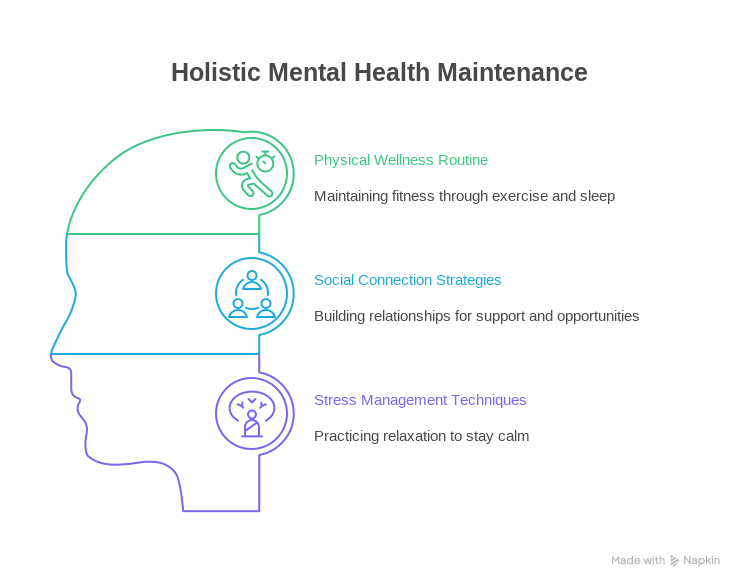
Maintaining your mental health during unemployment isn’t selfish; it’s strategic. Mental health challenges can affect how you present yourself in interviews, as candidates may appear “weary, depressed, and frustrated” when these issues aren’t addressed.
Physical Wellness Routine
If you usually go to the gym or have an exercise program, “don’t change it, keep your fitness routine on track.” If gym membership isn’t in the budget, consider alternatives like walking, running, or home workouts. Getting “plenty of sleep” with “7 to 8 hours every night” helps you “keep your stress levels under control and maintain your focus.”
Social Connection Strategies
Develop “a daily routine that provides structure and consistency and includes time set aside to socialize with friends or former coworkers.” Even during social distancing, video chats and phone calls can provide crucial emotional support and potentially lead to job opportunities.
Stress Management Techniques
Practice “relaxation techniques such as deep breathing, meditation, and yoga” as they are “a powerful antidote to stress” and help you “stay calm and collected in challenging situations, including job interviews.”
Skill Development and Learning Schedule
Unemployment presents a unique opportunity to invest in your professional development. Whether you want to “enter a completely different industry and need the relevant qualifications, or you need higher-level certificates,” this time can be invaluable for growth.
Daily Learning Blocks
Dedicate 1-2 hours daily to skill development. This might include:
- Online courses relevant to your field
- Industry certifications
- Software training
- Professional webinars
- Reading industry publications
Practical Application
Make time for “learning and applying that knowledge to your CVs and cover letters on a daily basis” to give yourself “the best chance to stand out from the competition.”
Managing Your Schedule and Staying Accountable
Weekly Planning Sessions
Every week you need to “have your next week planned out” and continuously “make changes to accommodate the needs of your job search.” Spend Sunday evenings or Monday mornings planning your week’s priorities.
Daily Check-offs
Place your schedule “on a daily calendar and check off each responsibility as you complete it.” This visual progress tracking helps maintain motivation and provides a sense of accomplishment.
Flexibility Within Structure
While having “a basic daily routine helps me stay structured and productive,” it’s important to maintain some flexibility: “if something comes up, and I want/need to do it, I will.” The goal is structure, not rigidity.
Weekend and Evening Routines
Your routine after job loss shouldn’t end at 5 PM on Friday. Weekends require their own structure to prevent the entire week from feeling like one long, undifferentiated stretch of time.
Weekend Job Search Activities
On weekends, “squeeze in some time to research new job postings, so Mondays you have your targets ready.” This might involve:
- Researching companies you want to work for
- Updating your professional profiles
- Preparing for upcoming interviews
- Planning next week’s networking activities
Recreation and Recharge
After your work hours, “allow yourself to mostly shut-off and enjoy leisure activities, which might be working out, watercolor painting, or catching up with friends.” This downtime isn’t optional—it’s necessary for maintaining long-term motivation and preventing burnout.
Overcoming Common Routine Challenges
When Motivation Wanes
If you “fall out of your routine, acknowledge it then get back on track.” Don’t let one off day derail your entire system. The key is getting back to your routine quickly rather than achieving perfection.
Dealing with Rejection and Setbacks
Remember that “there’s no set time frame” for processing job loss emotions, and “you might linger in one stage for a while, but sail through another.” Build time for emotional processing into your routine rather than trying to power through difficult feelings.
Maintaining Long-Term Perspective
Most people “get over their job loss within six months to a year,” though “it’s different for everyone.” Use this knowledge to pace yourself and avoid the pressure to find something immediately at the expense of finding the right opportunity.
Creating Financial Routine and Stability
Your routine after job loss must also address financial realities. This means building regular check-ins on your financial situation and making strategic decisions about your job search timeline.
Weekly Financial Reviews
Schedule weekly sessions to:
- Review your budget and expenses
- Calculate how long your savings will last
- Assess whether you need to consider temporary work
- Evaluate if you’re being too selective in your job search
Emergency Income Planning
Even taking “a meager, low-paying job is a smart move,” as it “will signal to future employers that you are highly disciplined.” Consider freelance work, part-time positions, or consulting opportunities that can provide income while you search for your ideal role.
Technology and Productivity Tools
Digital Organization Systems
Use technology to support your routine:
- Calendar apps for scheduling job search blocks
- Task management tools for tracking applications
- Spreadsheets for networking follow-ups
- LinkedIn for daily professional engagement
Avoiding Digital Distractions
During focused work blocks, “silence your cell phone and all notifications” and “set your phone on do not disturb.” Between blocks, you can “permit yourself to engage in distraction” by checking social media or personal emails.
Building Long-term Success Habits
The routine you build during unemployment shouldn’t just get you through this difficult period—it should set you up for long-term career success. If you “practice these habits while you have the time, they will be your routine when your life gets consumed by work again.”
Professional Development Habits
Continue setting aside time for learning and skill development even after you land your next job. The habits you build now will serve you throughout your career.
Networking Consistency
Make networking a regular part of your professional life rather than something you only do when job searching. The relationships you build now will benefit you for years to come.
Work-Life Balance Skills
Learning to “close the laptop at a reasonable hour” and maintain “some semblance of healthy habits” during unemployment will serve you well when you return to traditional employment.
Set Time Boundaries to Prevent Burnout
Job hunting should not consume 40+ hours weekly—that path leads to burnout and diminishing returns. Instead, use time-blocking to dedicate 3-4 focused hours daily to applications, networking, and skill-building. Schedule hard stop times and communicate them to yourself as you would meeting deadlines at work. Build in “flex hours” for unexpected opportunities, but protect evenings and weekends for rest, hobbies, and social connection. Consistency beats intensity—sustainable daily habits compound into measurable progress.
FAQs
How long should I spend on job search activities each day?
Focus on “four hours of intensely focused blocks” for core job search activities. This prevents burnout while ensuring substantial effort. Quality and focus matter more than logging excessive hours.
Should I maintain a strict schedule even on weekends?
Weekends should have structure but be more flexible. Use weekends to “squeeze in some time to research new job postings” and prepare for the upcoming week, but also prioritize rest and social activities to maintain your mental health.
What if I’m struggling to stick to my routine?
If you “fall out of your routine, acknowledge it then get back on track.” Perfection isn’t the goal—consistency is. Start with small, manageable changes and build up gradually rather than trying to overhaul everything at once.
How do I balance job searching with taking care of my mental health?
Treat self-care as non-negotiable parts of your routine. Develop “a daily routine that provides structure and consistency and includes time set aside to socialize with friends” and maintain regular exercise and relaxation practices.
When should I consider taking temporary work instead of focusing solely on my ideal job?
If your financial situation becomes precarious or your unemployment extends beyond a few months, consider temporary work. Even “a meager, low-paying job” can signal to future employers that you’re disciplined and willing to work, while providing income and maintaining work habits.
Conclusion
Building a routine after job loss transforms chaos into opportunity. The structure you create now will carry you through unemployment and make you a stronger professional. This challenging period is temporary, but these habits will benefit your entire career.
Ready to take control of your financial future? At Layoff Lifeline, we understand job loss affects more than daily routines—it impacts your entire financial landscape. While you build productive routines, let us handle the financial strategy. Schedule a consultation with Layoff Lifeline today and turn this career challenge into your next breakthrough.
Keep Reading
More practical guidance for the financial, career and emotional side of a layoff.


