
Emotional Support
Facing Job Loss and Mental Health Crisis

The silence after a layoff can be deafening. One moment you’re part of a team, contributing to projects, planning your next quarter—then suddenly, you’re home on a Tuesday afternoon, wondering what just happened. If you’re feeling overwhelmed, anxious, or even grieving after losing your job, you’re experiencing something millions face every year. The mental health impact of job loss is real, profound, and deserves attention.
Key Takeaways
- Job loss triggers legitimate grief responses including depression and anxiety – these feelings are normal and valid
- Social support and professional help significantly improve recovery outcomes – isolation worsens mental health during unemployment
- Recovery follows predictable phases: immediate crisis, adaptation period, and long-term resilience building requiring different coping strategies
How Job Loss Affects Mental Health
When we lose our jobs, we lose more than just a paycheck. Research shows that job loss can lead to significant psychological trauma, with longitudinal studies revealing that unemployed individuals often experience mental health declines, particularly after prolonged unemployment. The emotional impact runs deeper than many realize, affecting our sense of identity, purpose, and daily structure.
Our work provides more than financial security—it offers social connections, routine, and a sense of contribution to something larger than ourselves. When these elements suddenly disappear, the psychological effects can be overwhelming. Studies from the American Psychological Association emphasize that job loss is linked to anxiety, depression, and a significant decline in life satisfaction, with the psychological trauma often exacerbated by financial strain.
The Grief Response to Job Loss
Losing a job can trigger grief reactions similar to mourning a loved one. Research examining grief reactions following job loss found that many individuals experience significant emotional distress, with responses falling into distinct patterns: resilient, grieving, depressed, and mixed. You might find yourself cycling through denial (“This can’t be happening”), anger at former employers or yourself, bargaining (“Maybe I could have worked harder”), depression and withdrawal, and eventually, acceptance and adaptation.
This grief is entirely valid. Your work identity, daily routines, and professional relationships have suddenly changed, creating a profound sense of loss that extends far beyond financial concerns. The emotional journey through job loss isn’t linear—you might experience all these stages in a single day or find yourself stuck in one phase for weeks.
Anxiety and Depression Statistics
The numbers paint a stark picture of job loss’s mental health impact. Between 70% to 90% of unemployed individuals live with severe mental illness, with over 30% experiencing depression and anxiety. During the pandemic, individuals who lost their jobs reported more than twice as many mentally unhealthy days compared to those who remained employed. These statistics aren’t meant to frighten but to validate what you might be feeling—your emotional response to job loss isn’t weakness but a normal reaction to a significant life stressor.
Long-term unemployment presents even greater challenges. Those out of work for six months or more face the worst mental health outcomes, with research consistently showing that extended unemployment leads to identity crises, decreased self-esteem, and persistent feelings of hopelessness.
Understanding Psychological Symptoms
Immediate Mental Health Effects
In the days and weeks following a layoff, your body and mind react to the sudden change in various ways. Sleep disturbances become common—you might find yourself unable to fall asleep, plagued by racing thoughts about the future, or conversely, struggling to get out of bed in the morning. Changes in appetite often follow, with some people losing interest in food entirely while others turn to eating for comfort.
Concentration difficulties make even simple tasks feel overwhelming. You might start a job application only to find your mind wandering, or struggle to focus during conversations with friends and family. Irritability and mood swings become frequent visitors, with emotions shifting rapidly from hope to despair, sometimes within the same hour. Physical symptoms like headaches, stomach issues, and muscle tension manifest as your body processes the stress.
Long-term Mental Health Impacts
Extended unemployment brings its own set of psychological challenges. The initial shock gives way to a more chronic state of uncertainty and stress. Identity crisis becomes a central issue—when asked “What do you do?” at social gatherings, you might struggle to answer, feeling as though you’ve lost a fundamental part of who you are.
Social isolation often follows, partly due to embarrassment about job loss and partly because work provided many social connections. Relationships strain under the pressure of financial stress and emotional volatility. Chronic anxiety about the future becomes a constant companion, making it difficult to enjoy present moments or maintain hope for better days ahead.
The cumulative effect of these challenges can lead to a loss of motivation that makes job searching feel insurmountable. Each rejection letter reinforces negative self-talk, creating a cycle that becomes increasingly difficult to break without intervention and support.
Common Coping Mechanisms (Healthy vs. Unhealthy)
Healthy Coping Strategies
Maintaining structure emerges as one of the most effective ways to manage job loss stress. Creating a daily routine, even without the framework of employment, provides stability and purpose. This might mean setting regular wake times, designating specific hours for job searching, and building in time for self-care and exercise. Small, achievable goals help maintain momentum—completing one job application, reaching out to one network contact, or updating one section of your resume all count as victories.
Seeking support proves crucial for mental health recovery. While the instinct might be to withdraw, research consistently shows that social support positively influences job search behavior and emotional well-being. This support can come from various sources: friends and family who provide emotional encouragement, job seeker support groups where you can share experiences with others facing similar challenges, or professional counseling that offers structured support for processing emotions and developing coping strategies.
Physical health directly impacts mental well-being during unemployment. Regular exercise, even something as simple as a daily walk, releases endorphins and provides structure to your day. Maintaining healthy eating habits becomes challenging when routines disappear, but proper nutrition supports both physical and mental health. Adequate sleep, though often elusive during stressful periods, remains essential for emotional regulation and cognitive function.
Unhealthy Patterns to Avoid
Certain coping mechanisms, while providing temporary relief, ultimately harm recovery efforts. Excessive alcohol or substance use might numb difficult emotions momentarily but often leads to increased depression and impaired judgment that affects job search efforts. Complete social withdrawal, though tempting when facing embarrassment or shame about job loss, eliminates crucial support systems and increases feelings of isolation.
Revenge-seeking behaviors against former employers, whether through negative online reviews or attempts to sabotage company operations, waste emotional energy and can damage professional reputation. Neglecting self-care and hygiene creates a downward spiral that affects both mental health and job search success. Perhaps most damaging are catastrophic thinking patterns—the tendency to imagine worst-case scenarios that paralyze action and increase anxiety.
The Financial Stress Factor
Economic Anxiety and Mental Health
Financial uncertainty compounds mental health challenges in ways that create a vicious cycle. Research from IZA World of Labor highlights that a 10% increase in unemployment benefits can reduce the drop in consumption by approximately 2.65%, demonstrating the direct connection between financial security and mental well-being. The stress of watching savings dwindle while bills continue arriving creates a constant state of anxiety that affects sleep, relationships, and overall health.
Economic anxiety manifests in both practical and psychological ways. The immediate concern of meeting basic needs—rent, food, utilities—creates urgent stress that can overwhelm other considerations. Longer-term worries about retirement savings, children’s education funds, and career trajectory add layers of anxiety that persist even after finding new employment.
Creating Financial Stability
Reducing money-related anxiety requires both practical action and mindset shifts. Applying for unemployment benefits immediately provides a financial cushion that, while perhaps not matching previous income, offers some stability during the transition. Creating a realistic budget helps identify areas for cost reduction while ensuring essential needs are met. This process, though initially stressful, often provides a sense of control over an otherwise chaotic situation.
Exploring temporary income options can ease financial pressure while maintaining flexibility for job searching. Freelance work, part-time positions, or gig economy opportunities provide not just income but also structure and purpose. Communicating proactively with creditors about payment plans prevents small problems from becoming larger crises. Most importantly, avoiding major financial decisions while under stress prevents costly mistakes that could impact long-term financial health.
Social Support and Job Loss Recovery
The Power of Connection
Social support emerges as one of the strongest predictors of successful job loss recovery. Meta-analyses consistently find that individuals with robust support systems navigate unemployment challenges more effectively, experience less severe mental health impacts, and find new employment more quickly. This support provides practical benefits—job leads, resume reviews, interview practice—alongside emotional encouragement that sustains motivation during difficult periods.
The quality of support matters as much as quantity. Having a few close confidants who understand your situation and provide non-judgmental support often proves more valuable than a large network of superficial connections. These relationships offer safe spaces to express frustration, celebrate small victories, and maintain perspective during the emotional rollercoaster of job searching.
Building Your Support Network
Constructing an effective support network requires intentional effort, especially when the instinct might be to isolate. Former colleagues who’ve experienced layoffs offer unique understanding and practical advice based on their own journeys. Professional networking groups provide structured environments for making connections while focusing on career advancement rather than dwelling on job loss.
Online communities for job seekers have proliferated, offering 24/7 support and resources. These platforms allow anonymous participation for those not ready to discuss job loss publicly while providing access to thousands of people facing similar challenges. Mental health support groups specifically addressing job loss combine professional facilitation with peer support, creating environments where both practical and emotional needs are addressed.
Career transition coaches offer professional guidance that goes beyond traditional therapy, focusing on actionable steps while acknowledging emotional challenges. These professionals help navigate the complex intersection of personal identity and career transition, providing frameworks for moving forward while processing the past.

Professional Help and Resources
When to Seek Professional Support
Recognizing when to seek professional help requires honest self-assessment. Persistent depression lasting more than two weeks, especially when accompanied by hopelessness or thoughts of self-harm, demands immediate professional intervention. The inability to perform daily activities—getting out of bed, maintaining hygiene, or completing basic tasks—signals that additional support is necessary.
Substance abuse concerns, whether newfound or exacerbated by job loss, require professional attention before they compound existing challenges. Severe anxiety that prevents job search efforts or social interaction needs therapeutic intervention to break destructive patterns. Remember that seeking help demonstrates strength, not weakness, and early intervention often prevents more severe problems from developing.
Available Mental Health Resources
Multiple resources exist for those struggling with job loss’s mental health impacts. Employee Assistance Programs often remain available for some period after termination, providing free counseling sessions and referrals. Community mental health centers offer sliding-scale fees based on income, making professional support accessible even during financial hardship.
Online therapy platforms have revolutionized mental health access, providing flexible scheduling and eliminating transportation barriers. Crisis hotlines offer immediate support during acute distress, staffed by trained professionals who understand job loss’s psychological impact. Support groups specifically for job loss, whether in-person or virtual, combine professional facilitation with peer understanding.
How Layoff Lifeline Can Help
At Layoff Lifeline, we understand that job loss affects every aspect of your life, especially your mental well-being. Our comprehensive approach addresses both practical and emotional needs through integrated support systems designed specifically for those facing career transitions.
Integrated Mental Health Support
Our mental health services recognize the unique challenges of job loss. We offer 24/7 crisis support modeled after successful hotline services, ensuring help is available during those 3 AM moments of despair when anxiety peaks. Professional counseling referrals connect you with therapists experienced in job loss trauma, while our peer support groups provide community with others who truly understand your journey.
Stress management workshops teach practical techniques for managing anxiety during job searches, while mindfulness and resilience training build long-term coping skills. These services work together, creating a safety net that catches you wherever you are in your recovery journey.
Holistic Recovery Approach
Our holistic approach recognizes that mental health recovery requires addressing all aspects of life disrupted by job loss. Financial advisory services help reduce money-related stress by creating realistic budgets and exploring benefit options. Career coaching rebuilds professional confidence through skills assessment, interview preparation, and strategic job search planning. Community support connects you with others in similar situations, reducing isolation and providing practical networking opportunities.
Perhaps most importantly, our proactive resources offer early intervention for at-risk professionals, helping identify warning signs before official layoff notices arrive. This forward-thinking approach allows for better preparation both practically and emotionally, significantly improving mental health outcomes.
Accessible Support Options
Through our freemium model, we ensure mental health support remains accessible regardless of financial situation. Free resources address immediate mental health needs, including crisis support, basic coping strategies, and community forums. Premium personalized counseling services provide deeper, individualized support for those needing intensive intervention. Group workshops and webinars offer cost-effective ways to access professional guidance while building community connections. Self-guided recovery tools empower individuals to take active roles in their mental health journey while working at their own pace.
Recovery Strategies and Timeline
Short-term Recovery (0-30 days)
The first month after job loss requires focusing on immediate stabilization. Establishing new routines provides structure when employment no longer dictates daily schedules. This might mean maintaining regular wake times, designating specific hours for job searching, and building in time for self-care activities. Processing initial emotions through journaling, therapy, or supportive conversations prevents them from festering into larger problems.
Securing immediate financial needs through unemployment benefits, budget adjustments, and communication with creditors reduces one major source of stress. Beginning social reconnection, even when it feels uncomfortable, prevents isolation from taking hold. These early actions set the foundation for longer-term recovery.
Medium-term Adaptation (1-6 months)
As the initial shock subsides, the focus shifts to building sustainable strategies for both job searching and mental health maintenance. Developing systematic job search approaches prevents overwhelm while maintaining steady progress. Building new skills through online courses or certifications provides both practical benefits and psychological boosts from achieving goals.
Maintaining mental health practices becomes crucial during this phase when initial adrenaline fades and the reality of extended unemployment sets in. Regular therapy sessions, support group participation, or mindfulness practices help manage the emotional ups and downs of job searching. Expanding support networks beyond immediate friends and family creates diverse resources for both emotional support and practical assistance.
Long-term Resilience (6+ months)
Extended unemployment requires different strategies than short-term job loss. Career reinvention might become necessary, requiring openness to new industries or roles. This process, while challenging, often leads to post-traumatic growth where individuals discover strengths and interests previously unexplored.
Helping others in similar situations provides purpose and perspective during extended job searches. Whether through formal mentoring or informal support, assisting others reinforces your own coping strategies while building meaningful connections. Preparing for future transitions by building emergency funds and diversifying skills creates resilience against future job market volatility.
Impact on Family and Relationships
Family Stress Management
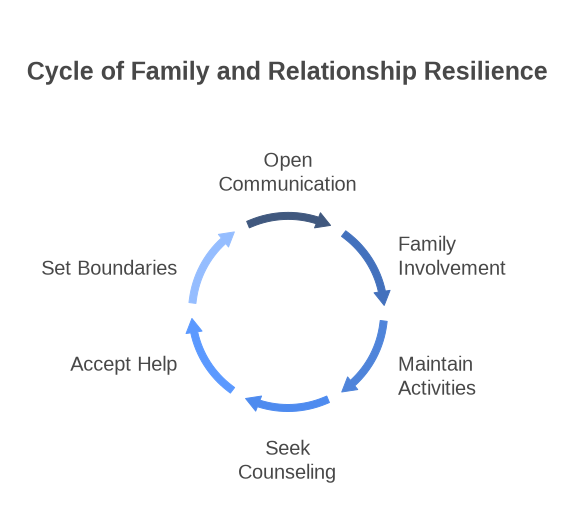
Job loss reverberates throughout the family system, affecting spouses, children, and extended family members. Research indicates that layoffs create stress not only for those directly affected but also for family members who worry about financial security and witness emotional struggles. Open communication becomes essential for managing family stress effectively.
Being honest about the situation, while age-appropriate with children, prevents anxiety caused by uncertainty. Involving family members in budget discussions and planning helps them feel included rather than helpless. Maintaining regular family activities, even free ones like park visits or game nights preserves normalcy and connection during turbulent times. Family counseling, when needed, provides a neutral ground for addressing conflicts and concerns that arise from job loss stress.
Maintaining Relationships
Job loss tests relationships in unique ways. Financial stress, emotional volatility, and changed daily routines can strain even strong partnerships. Maintaining relationships requires intentional effort and mutual understanding. Open communication about feelings prevents resentment from building while allowing partners to provide appropriate support.
Accepting help when offered challenges those accustomed to being providers, but allowing others to support you strengthens relationships rather than weakening them. Maintaining social connections despite embarrassment requires vulnerability but prevents isolation that compounds mental health challenges. Setting boundaries with well-meaning but unhelpful advice protects emotional energy while maintaining important relationships.
FAQs
How long does it typically take to recover mentally from job loss?
Is it normal to feel grief after losing a job?
Can job loss lead to PTSD?
Should I tell potential employers about my mental health struggles?
How can I support a family member going through job loss?
Conclusion
Job loss creates a mental health crisis that deserves recognition, understanding, and comprehensive support. While the journey through unemployment challenges your psychological well-being in profound ways, remember that recovery is not only possible but often leads to personal growth and resilience you never knew you possessed. The combination of personal determination, social support, and professional guidance creates a foundation for mental health recovery that extends far beyond finding your next job.
Your feelings are valid, your struggles are real, and your need for support is not a sign of weakness but a recognition of job loss’s significant impact on mental health. Whether you’re in the first shocking days after a layoff or navigating extended unemployment, remember that healing isn’t linear—there will be good days and difficult ones, progress, and setbacks, hope and despair. Each step forward, no matter how small, moves you closer to recovery.
You don’t have to navigate this journey alone. The path through job loss might feel isolating, but support exists in many forms—from professional counseling to peer support groups, from family understanding to comprehensive programs designed specifically for those facing career transitions. Reaching out for help demonstrates courage and wisdom, not defeat.
Take the first step toward healing today. Layoff Lifeline offers a free assessment to help you identify your best path forward, connecting you with resources tailored to your unique situation. Whether you need immediate crisis support, ongoing counseling, or simply a community that understands, we’re here to help you rebuild not just your career, but your confidence and well-being.
Keep Reading
More practical guidance for the financial, career and emotional side of a layoff.


