
Emotional Support
Layoff Shame Anxiety: How to Cope in Social Situations

Lots of people have been there—standing at a networking event, someone asks “So what do you do?” and suddenly your heart races. The weeks that followed an unexpected layoff teach you that layoff shame and anxiety aren’t just about losing a job—it’s about losing your sense of identity in social situations. If you’ve been laid off, you’re probably familiar with this uncomfortable feeling that everyone can somehow see your employment status like a scarlet letter.
Key Takeaways
• Layoff shame anxiety is normal and affects millions – You’re not alone in feeling embarrassed about your unemployment status in social situations
• The shame spiral can be broken with specific strategies – Practical techniques help you navigate workplace conversations and social interactions with confidence
• Transparency and self-compassion are powerful tools – Opening up about your situation often leads to unexpected support and networking opportunities
The Shame Spiral: Understanding Employment Status Anxiety

When you lose a job unexpectedly, it’s normal to feel like you’re wearing a sign that says “unemployed, failure, unwanted.” This layoff anxiety doesn’t just affect your job search—it seeps into every social interaction. The emotional impact of a layoff extends far beyond the workplace, creating a spiral that can debilitate your confidence in casual conversations, family gatherings, and professional events.
The shame spiral works like this: you anticipate judgment from others about your unemployment, so you isolate yourself from social situations. This isolation heightens your anxiety and makes you feel even more disconnected. Without practice navigating these conversations, your fear grows stronger, making future social interactions feel impossible.
Why Employment Status Triggers Social Anxiety
Our society often defines us by what we do for work. When that identity disappears, many people experience what researchers call “stigma consciousness”—the chronic anticipation of being judged or rejected because of their employment status. This creates a trigger that can send you into an emotional tailspin just thinking about attending social events.
The aftermath of getting laid off includes grieving the loss of routine, workplace relationships, and financial security. But there’s another loss that people rarely discuss: the loss of social confidence. You might find yourself avoiding ex-colleagues, declining invitations, or making excuses to skip networking events where you once felt comfortable.
Strategies That Can Help Break the Cycle
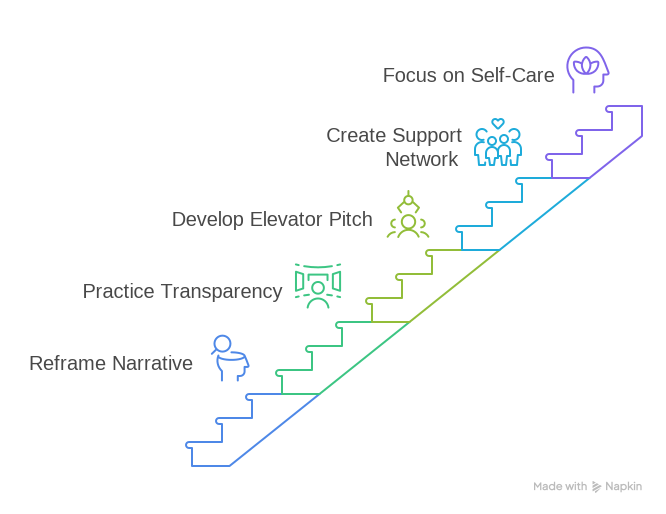
Reframe Your Narrative
Instead of viewing unemployment as a personal failure, recognize it as a business decision that affected your position, not your worth as a person. It’s not your fault that headcount reductions happened. Companies make these decisions based on financial conditions, not individual performance. When you internalize this truth, you can move forward with clarity about your situation.
Practice Transparency with Compassion
Rather than hiding your employment status, try gentle honesty. When someone asks about your work, you might say: “I’m currently between opportunities after my company had some restructuring. I’m taking time to regroup and explore what’s next.” This approach gives you control over the narrative and often opens doors to meaningful conversations.
Develop Your Elevator Pitch
Prepare a confident way to discuss your situation that focuses on your next steps rather than dwelling on the layoff. For example: “I recently completed a project with [previous company] and I’m now exploring opportunities in [your field]. I’m particularly interested in roles that [specific interest].” This redirects attention to your future rather than your current unemployment.
Create a Support Network
Reach out to friends and family who can provide emotional support during this transition. You’ll be surprised how many people have faced similar challenges. Having someone to help process your emotions and serve as a compassionate outlet can significantly reduce the emotional toll of unemployment.
Focus on Self-Care and Wellness
Unemployment affects your mental health, so prioritize activities that boost your resilience and self-esteem. Regular exercise, maintaining a routine, and engaging in activities you enjoy help combat the negative feelings that fuel social anxiety. Write a list of things that make you feel grounded and reference it when anxiety spikes.
Navigating Different Social Situations
Professional Networking Events
These can feel particularly challenging when you’re unemployed, but they’re also valuable opportunities. Approach networking with curiosity about others rather than focusing on your own situation. Ask questions about their work, industry trends, or professional challenges. This takes the pressure off discussing your employment status while building genuine connections.
Family Gatherings and Social Events
Family members might ask uncomfortable questions about your job search progress. Prepare responses that acknowledge their concern while setting boundaries: “I appreciate you checking in. I’m working on my next steps and feel good about my progress. I’d love to hear about what’s new with you.”
Casual Social Interactions
With friends and acquaintances, honesty often strengthens relationships. You might be surprised to find that others have experienced similar challenges or can offer support you didn’t expect. Opening up about your situation can deepen connections and expand your network in unexpected ways.
The Road to Recovery: Building Confidence
Recovery from layoff shame anxiety takes time, but each positive social interaction builds your confidence. Start small—perhaps coffee with a trusted friend—and gradually expand to larger social situations. Remember that most people are focused on their own lives and concerns, not judging your employment status.
As you navigate this transition, remember that losing your job doesn’t define your worth. You’re still the same capable, valuable person you were before the layoff. Your severance package might provide financial breathing room, but the emotional recovery requires intentional effort and self-compassion.
Update Your Mindset Along with Your Resume
While you’re updating your resume and searching for your new job, also work on updating your internal dialogue. Replace thoughts like “I’m a failure” with “I’m in transition.” Instead of “Everyone thinks I’m unsuccessful,” try “Most people understand that layoffs happen to good employees.”
The job market is constantly evolving, and unemployment affects millions of people through no fault of their own. Your current situation is temporary, and with the right mindset and strategies, you can navigate social situations with increasing confidence.
Building Long-term Resilience
The skills you develop while managing layoff shame anxiety will serve you well beyond your current unemployment. Learning to handle difficult conversations, set boundaries, and maintain self-worth during challenging times builds emotional resilience that benefits all areas of life.
Consider this period an opportunity to strengthen relationships, develop new coping strategies, and gain clarity about what you want in your next opportunity. Many people find that the reflection time during unemployment, while challenging, ultimately leads to better career decisions and stronger self-awareness.
Remember that your productivity and worth aren’t measured solely by employment status. You’re taking important next steps by addressing both the practical and emotional aspects of your transition. This holistic approach to recovery sets you up for not just finding any job, but finding the right opportunity that aligns with your values and goals.
FAQs
How long does layoff shame anxiety typically last?
The duration varies for each person, but most people find that the intensity decreases as they develop coping strategies and start rebuilding their social confidence. Active work on managing the anxiety typically shows improvement within a few weeks to a few months.
Should I tell people I was laid off or say I’m looking for new opportunities?
Both approaches are valid. The key is choosing language that feels authentic and comfortable for you. Many people find that honest, straightforward communication (“I was laid off when my company restructured”) often receives more support than vague explanations.
What if someone makes an insensitive comment about my unemployment?
Remember that insensitive comments usually reflect the other person’s discomfort or lack of understanding, not your worth. You might respond with: “It’s been a challenging time, but I’m focused on moving forward” and then redirect the conversation.
How can I stay motivated to attend social events when I feel anxious about my employment status?
Start with low-pressure social situations and gradually build up. Set small goals, like staying for just 30 minutes at an event. Focus on being genuinely interested in others rather than worrying about their perception of you.
Is it normal to feel like everyone knows I’m unemployed even when they don’t?
Absolutely. This is a common experience called “spotlight effect” where we overestimate how much others notice or think about our situation. In reality, most people are focused on their own lives and concerns, not analyzing your employment status.
Conclusion
Breaking free from layoff shame anxiety isn’t about pretending everything is fine—it’s about developing the emotional tools to navigate this challenging period with dignity and self-compassion. The shame spiral loses power when you approach social situations with preparation, honesty, and the understanding that your worth extends far beyond your current employment status.
If you’re ready to take control of your financial and emotional recovery after a layoff, Layoff Lifeline is here to help. Our expert guidance addresses both the practical and emotional aspects of career transitions. Schedule a consultation with us to develop a personalized roadmap that fits your unique situation and goals.
Keep Reading
More practical guidance for the financial, career and emotional side of a layoff.


