

In today’s dynamic job market, career advancement often hinges on more than just a stellar resume and impressive skillset. Leveraging former coworkers-Networking, a crucial element of any successful job search strategy, empowers you to tap into a hidden world of opportunities, gain valuable career insights, and ultimately land your dream job.
Key Takeaways
• Build relationships before you need them—regular engagement with your network creates authentic connections.
• Your network extends beyond colleagues—include mentors, alumni, and industry peers.
• Quality beats quantity—focus on nurturing meaningful professional relationships over collecting contacts.
Table of Contents
Why Former Coworkers Are Your Fastest Path to Opportunities
Ex-colleagues understand your work ethic and skills better than recruiters. They share unposted job openings, provide referrals that bypass ATS filters, and offer company insights. Data shows 70% of jobs are filled through networks, with former coworkers delivering the highest conversion rates. Private layoff groups formed by ex-teammates exchange leads and resume reviews, accelerating hires by weeks.
1. Identify and Engage Your Network: Building a Foundation for Success
Your network is a diverse ecosystem, encompassing professional connections far beyond your immediate circle. Think of former colleagues, classmates, professors, mentors, industry contacts, and even individuals you’ve encountered through volunteer work or community involvement. Actively engaging with these individuals is paramount:
Maintain Consistent Communication
Stay top-of-mind by nurturing your relationships through various channels like social media (LinkedIn, Facebook, Twitter), email, or occasional phone calls.
Offer Support and Reciprocity
Demonstrate genuine interest in others’ endeavors and offer assistance whenever possible. Networking thrives on reciprocity; by providing support, you cultivate stronger relationships.
Expand Your Circle
Attend industry events, workshops, and conferences to broaden your horizons and connect with new professionals.
2. Communicate Your Job Search Goals: Clarity and Visibility
Don’t be shy about letting your network know you’re actively seeking new opportunities. Clearly articulate your career aspirations, including your ideal role, industry, and target companies.
Craft a Compelling Elevator Pitch
Develop a concise and engaging summary of your skills, experience, and career goals. This personal branding tool allows you to quickly communicate your value proposition.
Maintain an Updated Online Presence
Ensure your LinkedIn profile and other online platforms accurately reflect your current aspirations and experience.
Share Your Resume and Portfolio
Make your credentials readily available to those who might be able to assist you.
3. Seek Referrals and Introductions: The Power of Connection
Referrals are a powerful catalyst in the job search process. They can significantly increase your chances of getting noticed and landing an interview.
Be Specific in Your Requests
Clearly articulate the type of role and company you’re interested in.
Offer to Reciprocate
Express your willingness to help your connections in return.
Follow Up Politely
Send a thank-you note after receiving a referral and a gentle reminder after a few weeks.
4. Utilize Online Networking Platforms
LinkedIn is a dynamic platform for connecting with professionals, staying updated on industry trends, and showcasing your expertise.
Optimize Your Profile
Ensure your profile is complete, well-written, and includes relevant keywords.
Join Relevant Groups
Participate in LinkedIn groups related to your industry or career goals.
Follow Companies: Stay informed about activities and potential job openings at your target companies.

5. Attend Networking Events: Building Relationships Face-to-Face
Industry events, conferences, and workshops provide invaluable opportunities to meet new people and strengthen existing connections. Before attending, research the event and attendees thoroughly to maximize your opportunities. Being approachable means taking initiative in conversations and demonstrating active listening skills. After the event, connect with new contacts on LinkedIn and develop those relationships through regular engagement.
6. Informational Interviews: Gaining Insights
Informational interviews serve as a powerful tool for learning about specific roles, companies, and industries. Start by reaching out to your network for introductions, then prepare thoughtful questions focused on career paths and industry insights. Always follow up with a thank-you note and maintain the connection through periodic check-ins.
7. Online Communities and Forums: Digital Networking
Digital networking through online communities can significantly expand your professional reach. Success in these spaces comes from active participation in discussions and regularly sharing valuable insights. Build goodwill by helping others, and stay current by following industry leaders and emerging trends.
8. Mentorship: Seeking Professional Guidance
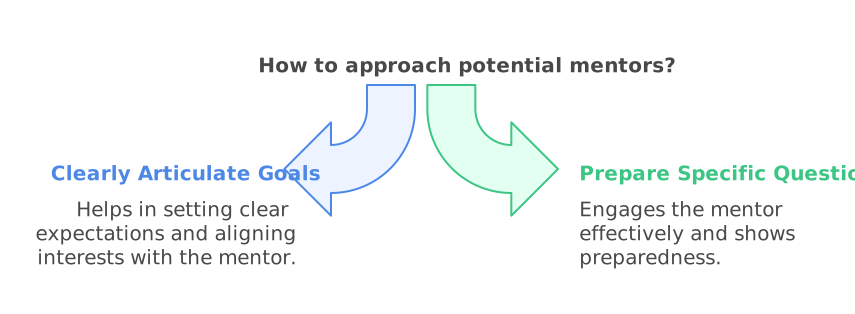
Mentorship relationships can accelerate career development and job-searching success. The key is identifying experienced professionals in your field whose career paths align with your goals. When approaching potential mentors, clearly articulate what you hope to gain from the relationship and always come prepared with specific questions.
9. Volunteer Work and Community Involvement
Volunteering offers the dual benefits of expanding your network while developing new skills. The most effective approach is selecting opportunities that align with your career goals and actively engaging with other volunteers and staff members.
10. Networking Etiquette Best Practices
| Aspect | Key Practices | Benefits |
|---|---|---|
| Time Management | Schedule meetings promptly, arrive on time, follow up within 24 hours | Shows professionalism and respect |
| Communication | Be clear, concise, and authentic in all interactions | Builds trust and credibility |
| Follow-through | Keep promises, share resources as discussed, maintain regular contact | Strengthens relationships |
| Online Presence | Maintain updated profiles, engage professionally on social media | Enhances visibility |
| Reciprocity | Offer help before asking for favors, share opportunities | Creates lasting connections |
Converting Connections into Referrals and Offers
Ask specifically: “Know anyone hiring for [role]?” rather than general help. Offer reciprocity: “Happy to review your team’s needs or connect you with my contacts.” Track interactions in a CRM spreadsheet. Nurture with quarterly check-ins to build long-term advocates who advocate for you in hiring discussions.
FAQs
How do I reconnect with a contact I haven’t spoken to in years?
What’s the best way to ask for a job referral?
How often should I engage with my network?
What if someone doesn’t respond to my networking request?
How do I maintain my network while employed?
Conclusion
Effective networking isn’t just about collecting contacts—it’s about building genuine relationships that support your career journey. By actively engaging with your network and staying visible in your industry, you’re creating opportunities that extend far beyond job searching.
Need personalized guidance for your career transition? Layoff Lifeline is here to help. Our team of career experts provides one-on-one coaching, resume reviews, and networking strategies.