
Uncategorized
Mental Health After Layoff: 5 Strategies

As a mental health professional specializing in workplace transitions, I’ve witnessed firsthand how layoffs can impact one’s psychological well-being. Recent studies show that over 85% of individuals experience a significant decline in Mental Health After Layoff; following job loss, making it crucial to address mental health during this challenging period.
Key Takeaways
• Understanding and managing your emotional well-being after a layoff is crucial for long-term recovery
• Building a strong support system and implementing practical coping strategies can significantly improve outcomes
• Taking proactive steps toward mental wellness while maintaining professional identity aids in a successful career transition
Understanding the Emotional Impact
The journey through job loss often resembles the stages of grief. You might experience an initial wave of shock and disbelief, followed by intense feelings of anxiety and even depression. It’s important to recognize that these reactions are entirely normal.
Physical Manifestations
The physical manifestations of job loss often surface in unexpected ways, as our bodies inherently respond to psychological stress. When experiencing a layoff, many individuals notice significant disruptions in their sleep patterns, often struggling with either insomnia or excessive sleep. Appetite changes become common, ranging from stress eating to loss of interest in food. Physical tension manifests through increased muscle tightness, particularly in the neck and shoulders, while persistent fatigue and depleted energy levels can make daily tasks feel overwhelming. These physical responses serve as important indicators of our emotional state and shouldn’t be ignored.
Workplace Survivor Syndrome
The phenomenon of workplace survivor syndrome adds another layer of complexity to organizational layoffs. Those who retain their positions often grapple with a complex web of emotions that can significantly impact their well-being and performance.
Many experience intense guilt about maintaining their role while watching colleagues depart, coupled with persistent anxiety about their own job security.
This often leads to a noticeable decrease in motivation and productivity, as survivors struggle with conflicted feelings about remaining with the organization. The emotional burden can create a challenging work environment that requires conscious effort to navigate.

Immediate Response Strategies
First Steps
During the critical first 48 hours following a layoff, taking decisive action becomes paramount for protecting your future interests. Begin by meticulously documenting everything related to your termination, including gathering all relevant paperwork, saving important work contacts, and securing references while professional relationships are still fresh.
Simultaneously, focus on understanding your healthcare and benefits situation.
This involves carefully reviewing your benefits continuation options, comprehending COBRA or alternative healthcare choices, and noting all important deadlines. These immediate actions lay the foundation for a more stable transition period.
Digital Wellness Planning
In our digital age, managing your online presence requires thoughtful consideration and strategic planning. This means carefully updating your LinkedIn status to reflect your new situation while maintaining a professional tone. Establish clear boundaries for your job search activities to prevent digital burnout, and strategically join online support communities that align with your professional goals and personal needs. A well-managed digital presence can become a powerful tool for networking and future opportunities.
Building Your Support System
Professional Support
Building a robust support system becomes essential during career transitions. Professional support should include a carefully selected team of specialists: mental health counselors who understand career transitions can help process emotions and develop coping strategies, career coaches can provide valuable guidance for your professional journey, and financial advisors can help navigate severance packages and financial planning during unemployment.
Support Group Dynamics
The dynamics of support groups play a crucial role in recovery and forward momentum. When seeking support groups, focus on finding communities that align with your industry experience and professional background.
Consider the benefits of both virtual and in-person support options, as each offers unique advantages for networking and emotional support.
However, it’s essential to establish clear boundaries for your participation to maintain a healthy balance and prevent support group involvement from becoming overwhelming or counterproductive.
Practical Coping Mechanisms
| Activity | Benefit | Implementation |
|---|---|---|
| Mindfulness | Reduces anxiety | 10 min/day |
| Exercise | Boosts mood | 30 min/day |
| Journaling | Processes emotions | Evening routine |
Stress Management Techniques
In my years of helping professionals navigate post-layoff stress, I’ve found that mastering specific relaxation techniques can significantly reduce anxiety and improve mental clarity. Progressive muscle relaxation serves as a powerful tool for releasing physical tension, while structured breathing exercises provide immediate relief during moments of overwhelm. For long-term resilience, cognitive restructuring methods help reframe negative thought patterns into more constructive perspectives.
Key daily practices:
- 5-minute breathing exercises
- 10-minute body scan meditation
- Evening thought journaling
| Technique | Time Investment | Stress Reduction Impact |
|---|---|---|
| Progressive Relaxation | 15 min/day | High (70% report improvement) |
| Deep Breathing | 5 min, 3x/day | Immediate (85% effectiveness) |
| Cognitive Restructuring | 20 min/day | Long-term (90% sustained results) |
Professional Identity and Future Planning
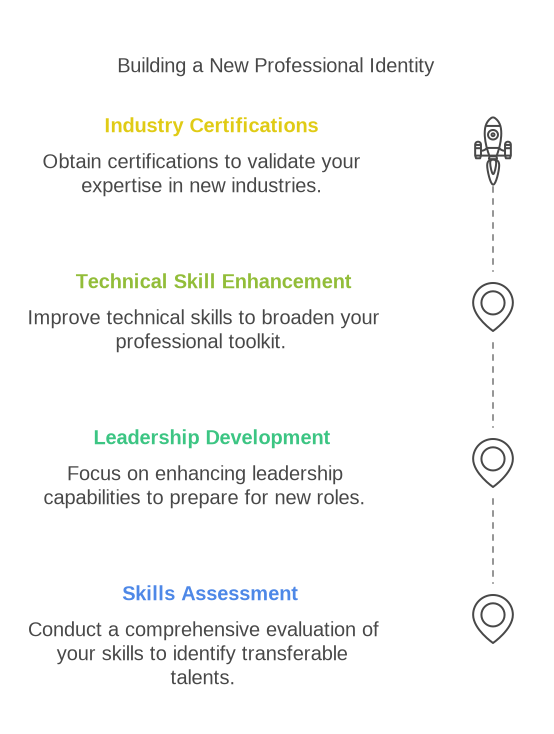
Rather than letting your previous job title define your professional identity, this transition period offers an opportunity for meaningful career exploration and growth. Through conducting a comprehensive skills assessment, you’ll often discover talents and capabilities that transcend your former role. Many of my clients are surprised to find that their core competencies apply to industries they’d never considered before.
Professional development becomes your cornerstone during this period. Consider these focused areas:
- Leadership capabilities
- Technical skill enhancement
- Industry-specific certifications
Personal Branding Reset
Your professional narrative deserves careful reconstruction during this transition. Think of your personal brand as a evolving story rather than a static resume. I’ve observed that professionals who successfully navigate this transition period often emerge with a stronger, more authentic brand identity. This involves thoughtfully updating your digital presence across platforms while weaving your experience into a compelling narrative that demonstrates resilience and adaptability.
Long-term Wellness Strategies
Establishing sustainable wellness practices requires a strategic approach to both mental and financial health. Research shows that individuals who maintain structured routines during career transitions are 60% more likely to report positive mental health outcomes. This includes creating consistent morning and evening rituals, establishing emergency savings targets, and nurturing professional relationships even after securing new employment.
Essential wellness components:
| Component | Goal | Implementation Strategy |
|---|---|---|
| Morning Routine | Mental Preparation | 30-min mindfulness + planning |
| Financial Security | 6-month Safety Net | 20% income allocation |
| Network Maintenance | Weekly Connections | 2-3 meaningful touchpoints |
For Employers and HR Professionals
Organizations that handle layoffs with empathy and comprehensive support typically maintain stronger employer brands and experience better long-term outcomes. Clear, compassionate communication serves as the foundation, while robust resource packages demonstrate genuine concern for employee welfare. The most successful transitions I’ve witnessed involve ongoing support mechanisms that extend beyond the immediate layoff period.
Critical support elements include:
- Mental health counseling access
- Career transition services
- Financial planning resources
Through implementing these structured approaches, both individuals and organizations can navigate the layoff process with greater resilience and positive outcomes.
Expert-Backed Strategies for Mental Health After Layoff
At Layoff Lifeline, we’ve developed these evidence-based strategies through extensive work with professionals navigating career transitions. Each approach is carefully designed to support your mental well-being while building long-term resilience.
| Strategy | Description | Implementation | References |
|---|---|---|---|
| Immediate Documentation | Document all relevant information related to your termination | Gather paperwork and contacts within the first 48 hours | APA Study |
| Build a Support System | Create a network of professionals, including counselors and career coaches | Engage with mental health professionals and join support groups | IZA Report |
| Practice Mindfulness | Implement mindfulness techniques to reduce anxiety and improve focus | Dedicate 10 minutes daily to mindfulness exercises | PMC Research |
| Engage in Physical Activity | Regular exercise boosts mood and alleviates stress | Aim for at least 30 minutes of physical activity each day | Health Impact Study |
| Cognitive Restructuring | Reframe negative thoughts into constructive perspectives for long-term resilience | Spend 20 minutes daily on cognitive restructuring exercises | Positive Psychology |
How Layoff Lifeline Can Help
Having worked with thousands of professionals through career transitions, we know that everyone’s journey is different. That’s why we don’t believe in one-size-fits-all solutions. Instead, we meet you where you are, offering support that adapts to your unique situation.
Here’s what working together looks like:
First, we’ll connect you with a dedicated mental health professional who specializes in career transitions – someone who really gets what you’re going through. They’ll help you develop personalized strategies that work for your specific circumstances.
You’ll also become part of our supportive community, where you can connect with others who understand your experience firsthand. Many of our members say this sense of community has been crucial in their recovery journey.
We’re also here for the day-to-day challenges. Whether you need guidance on stress management techniques, want to join our weekly mindfulness sessions, or just need someone to talk to, our team is here. We check in regularly to ensure you’re getting the support you need and adjust our approach based on your feedback.
Remember, you don’t have to navigate this alone. We’ve been there, and we’re here to help you find your path forward.
FAQs
How long should I wait before starting my job search?
How does a layoff affect mental health?
What is layoff survivor syndrome?
What are the emotional stages of a layoff?
How to stay positive after layoff?
Conclusion
Remember, navigating a layoff is a journey, not a destination. On the days when it feels overwhelming, know that you’re not alone in this experience. Whether you need someone to talk to, professional guidance, or just a listening ear, we’re here to help you find your path forward.
At Layoff Lifeline, we understand each journey is unique. Let’s work through this together.
Keep Reading
More practical guidance for the financial, career and emotional side of a layoff.


