
Job Assistance
The 5 LinkedIn Mistakes Desperate Job Seekers Make

I’ve watched countless job seekers struggle with their LinkedIn presence, wondering why recruiters aren’t reaching out despite submitting applications everywhere. The truth? LinkedIn has become essential in today’s competitive job market, but many job seekers make critical errors that send the wrong message to hiring managers. If you’re actively job hunting and not getting results, these five mistakes might be holding you back.
Key Takeaways
- Your LinkedIn profile is a powerful tool for job searching, but common mistakes can significantly decrease your visibility to potential employers
- Treating LinkedIn like a static resume instead of a professional networking platform costs you valuable opportunities and recruiter attention
- Simple fixes to your headline, experience section, and engagement strategy can dramatically improve your chances of landing interviews
Understanding Why Your LinkedIn Strategy Matters Now More Than Ever

Before we dive into the specific mistakes, let’s talk about why LinkedIn has become non-negotiable for anyone navigating today’s job market. The platform has evolved far beyond a simple online resume repository—it’s now the primary tool recruiters and hiring managers use to find and vet candidates before they even post job openings.
The competitive job market has made this even more critical. With hundreds of candidates applying for single positions, recruiters need efficient ways to filter through talent. They’re using LinkedIn’s search functionality to find candidates with specific skills and experiences, which means if your profile isn’t optimized for discoverability, you’re essentially invisible no matter how qualified you are.
What surprises many job seekers is that LinkedIn mistakes don’t just hurt your chances with one opportunity—they create a ripple effect. A poorly optimized profile means missed opportunities across multiple companies and roles. Conversely, getting your LinkedIn presence right can open doors you didn’t even know existed, from direct recruiter outreach to referrals from connections who see your activity and think of you for opportunities.
The good news? Most of these mistakes are completely fixable. You don’t need to be a marketing expert or spend hours each day on the platform. What you need is awareness of what’s actually hurting your visibility and a strategic approach to fixing it.
The 5 LinkedIn Mistakes To Avoid
Mistake #1: Neglecting Your Headline and Summary
Your headline is valuable real estate that appears everywhere your name shows up on LinkedIn. Yet I constantly see job seekers waste it with generic phrases like “Seeking New Opportunities” or just listing their previous job title. This is one of the most common LinkedIn mistakes job seekers make.
Recruiters look for specific skills and experiences when they search. Your headline should include relevant keywords that align with your career goals and the roles you’re targeting. Instead of “Experienced Marketing Professional Seeking Opportunities,” try “Digital Marketing Strategist | SEO & Content Marketing | B2B Growth Specialist.” This approach demonstrates your expertise while improving your visibility to potential employers.
Your summary section deserves the same attention. This is where you craft your value proposition and personal brand. I recommend writing it in first person to sound authentic and conversational. Share what makes you unique, your key achievements, and what you’re passionate about in your field. Use this space to naturally incorporate keywords from job descriptions you’re interested in, but don’t force them if they ruin the flow.
Mistake #2: Treating LinkedIn Like a Resume Repository
LinkedIn has become much more than a digital resume. When you treat it like a static document, you miss opportunities to engage meaningfully with your network and industry. Many job seekers make the mistake of only updating their profile when they need a job, which can signal a lack of interest in professional development.
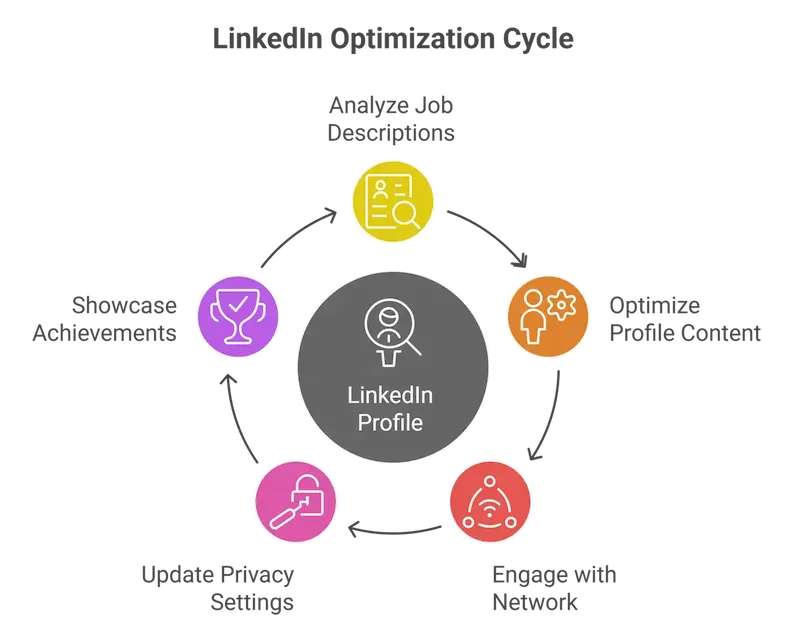
Regular activity on the platform significantly increases your visibility. Start engaging with content in your industry by sharing insights, posting comments on relevant articles, and contributing to discussions. This consistent activity keeps you on recruiters’ radars and positions you as someone who stays current with industry insights.
I’ve found that sharing your own thoughts on industry trends or lessons learned demonstrates thought leadership. You don’t need to post daily, but aim for meaningful engagement a few times per week. Comment thoughtfully on posts from leaders in your field, and don’t be afraid to share articles you find valuable with your network.
Join LinkedIn groups related to your industry and actively participate. These communities offer networking opportunities and can lead to job referrals you wouldn’t find through traditional job postings. The key is authentic engagement, not just self-promotion.
Mistake #3: Underusing the Experience Section and Skills
Your experience section needs more than just your work history and dates. This is where you tell your professional story and showcase measurable achievements. Many job seekers simply copy their resume, but LinkedIn allows for more detail and context.
For each role, I recommend including specific accomplishments with metrics when possible. Instead of “Managed social media accounts,” write “Grew Instagram following by 150% in six months through strategic content planning and community engagement.” This approach provides social proof of your capabilities.
The skills section is another area where job seekers often drop the ball. LinkedIn’s algorithm uses these skills when recruiters search for candidates. Make sure you’ve added skills that align with your target roles and ask colleagues to endorse you for your strongest abilities. This boosts your profile’s SEO and helps you appear in more recruiter searches.
Don’t just list your job responsibilities. Show how you solved problems, contributed to team success, or drove results. This transforms your profile from a boring list into a compelling narrative that attracts recruiters and hiring managers.
Mistake #4: Wrong Privacy Settings and “Open to Work” Signals
Understanding LinkedIn’s privacy settings is crucial when you’re actively job searching. I see two extremes: people who broadcast their job search too loudly or those who hide it completely. Both approaches can send the wrong message.
The “Open to Work” banner can be helpful, but use it strategically. You can set it to be visible only to recruiters, which lets them know you’re available without alerting your current employer or network. However, if you’re unemployed, displaying it publicly might attract more opportunities from your extended network.
Be mindful of what your activity signals. If you suddenly start liking every job posting or connecting with dozens of recruiters in one day, it might appear desperate. Instead, be intentional about who you connect with and why. Send personalized connection requests that explain your interest in connecting.
Update your choices in the “Career Interests” section to specify what types of roles interest you, preferred locations, and company sizes. This helps recruiters find you when searching for candidates who match specific criteria. You can keep these preferences private while still benefiting from targeted recruiter outreach.
Mistake #5: Failing to Optimize Your Profile for Recruiters
Many job seekers don’t realize that recruiters use LinkedIn’s search function differently than regular users. They search for specific keywords, skills, and experience combinations. If your profile isn’t optimized for these searches, you’re invisible no matter how qualified you are.
Start by analyzing job descriptions for roles you want. Notice which keywords appear repeatedly? Those should naturally appear throughout your profile, especially in your headline, summary, and experience sections. But don’t just stuff keywords in awkwardly. Weave them into your achievements and descriptions naturally.
Your profile picture matters more than you might think. Profiles with professional photos get significantly more views and connection requests. It doesn’t need to be a formal headshot, but it should be recent, clear, and appropriate for your industry.
Complete every section of your profile. LinkedIn’s algorithm favors complete profiles, showing them higher in search results. Add certifications, volunteer work, languages, and publications if relevant. These details help you stand out and give recruiters more reasons to reach out.
Consider using LinkedIn’s featured section to showcase your best work, whether that’s presentations, articles, or projects. This visual element makes your profile more engaging and provides concrete examples of your expertise.
Avoiding These Common LinkedIn Mistakes
The biggest job search mistakes often come from desperation rather than strategy. When you’re anxious about finding work, it’s tempting to spray and submit applications everywhere or make your job search too obvious. But hiring managers can spot desperation, and it rarely works in your favor.
Instead, approach LinkedIn as a long-term networking platform and personal branding tool. Even when you’re not actively job hunting, maintaining an optimized profile and engaging with your industry keeps opportunities flowing to you. This proactive approach means when you do need to search, you’re already visible and credible.
I recommend setting aside time each week for LinkedIn activities. Update your profile as you gain new skills or complete projects. Engage with content from target companies and industry leaders. Build genuine relationships rather than just collecting connections.
Remember that your LinkedIn presence is your first impression for many potential employers. Make it count by avoiding these mistakes and presenting yourself as the strategic, professional candidate you are.

FAQs
How often should I update my LinkedIn profile?
I recommend reviewing and updating your LinkedIn profile at least quarterly, even when you’re not job searching. Add new skills, certifications, or achievements as you earn them. This keeps your profile current and maintains your visibility in recruiter searches. If you’re actively job hunting, consider weekly reviews to ensure your profile aligns with the roles you’re pursuing.
Should I connect with recruiters I don’t know?
Yes, but be strategic about it. When connecting with recruiters, personalize your request by mentioning specific industries or roles they specialize in. Explain why you’re interested in connecting and what value you bring. Generic connection requests often get ignored, while thoughtful ones can open doors to job opportunities you wouldn’t find otherwise.
Is it okay to list volunteer work on my LinkedIn profile?
Absolutely. Volunteer experience demonstrates your skills and values while filling potential gaps in employment. Many hiring managers appreciate seeing community involvement, and it can showcase leadership, project management, or specialized skills. Just ensure it’s relevant to your professional brand and career goals.
How many skills should I list on LinkedIn?
LinkedIn allows up to 50 skills, but focus on quality over quantity. I suggest listing 15-25 skills that truly represent your expertise and align with your target roles. Prioritize your top skills by reordering them, as the first three appear most prominently on your profile. Make sure your strongest and most marketable skills are at the top.
What’s the best way to ask for recommendations?
Reach out personally to former colleagues, managers, or clients who can speak specifically to your work. Make it easy for them by reminding them of projects you worked on together and offering to reciprocate. Timing matters too—ask when you’ve recently worked together or achieved something notable. A strong recommendation from the right person carries more weight than multiple generic ones.
Conclusion
Your LinkedIn profile is more than just an online resume. It’s your personal brand, networking hub, and often the first impression potential employers have of you. By avoiding these LinkedIn mistakes job seekers make, you position yourself as a strategic, professional candidate rather than a desperate applicant.
If you’re navigating a career transition after a layoff, you don’t have to figure it out alone. Layoff Lifeline offers personalized guidance to help you optimize your job search strategy, strengthen your professional presence, and identify opportunities you might be overlooking. Schedule a consultation with us to turn this challenge into your next career opportunity.
Keep Reading
More practical guidance for the financial, career and emotional side of a layoff.


