
Financial Guidance
Unemployment Benefits Application: A Complete Guide
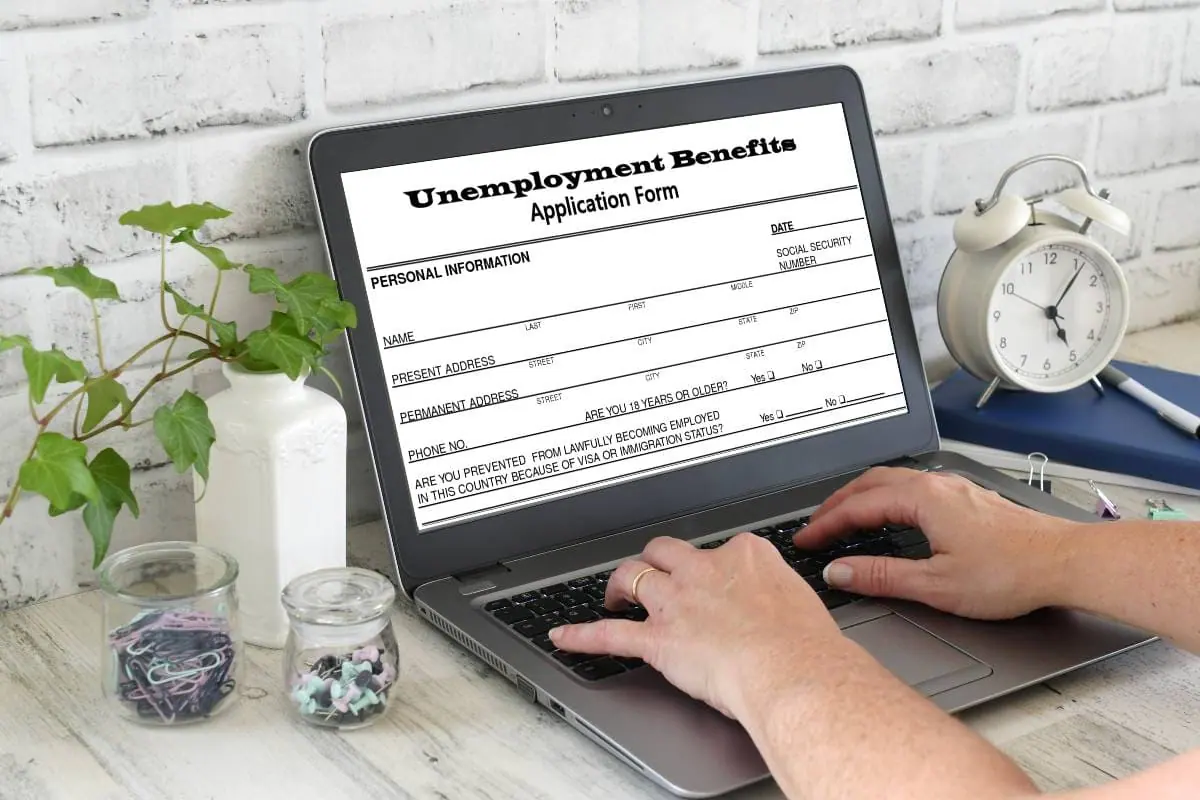
Facing unexpected job loss can be overwhelming, but unemployment benefits serve as a crucial financial lifeline during career transitions. At Layoff Lifeline, we understand this journey firsthand—our team members have navigated the complex unemployment system and emerged stronger.
This guide walks you through the application process step-by-step, demystifying requirements and helping you access the support you deserve while building toward your next opportunity. We’re here to transform this challenging time into a catalyst for professional growth.
Key Takeaways
- Unemployment benefits are state-administered programs providing temporary financial assistance when you lose your job through no fault of your own.
- Eligibility typically requires sufficient work history, a qualifying job separation reason, and ongoing availability for suitable employment.
- Most states allow online applications, but you must continue to certify weekly or bi-weekly to maintain benefits while actively searching for work.
Understanding Unemployment Benefits

Unemployment insurance provides temporary income support when you lose your job through no fault of your own. Each state administers its own program, setting specific eligibility criteria, benefit amounts, and duration. Benefits typically last up to 26 weeks, though extensions may be available during periods of high unemployment or economic crisis.
The key purpose of unemployment benefits is to provide partial wage replacement while you search for new employment. It’s important to understand that these benefits aren’t based on financial need but rather on your previous work history and the circumstances of your job separation.
Eligibility Requirements
Before beginning your application, determine if you meet the basic eligibility criteria to apply for unemployment insurance benefits:
1. Work History and Earnings
Most states require you to have:
- Worked for a minimum period (typically 12-18 months) before job loss
- Earned a minimum amount during a “base period” (usually the first four of the last five completed calendar quarters)
- Accumulated enough “credit weeks” or work hours (varies by state)
For example, Washington state requires at least 680 hours worked during your base year, while Pennsylvania requires a minimum of 18 credit weeks (weeks where you earned at least $116).
2. Qualifying Job Separation
Unemployment benefits are designed specifically for individuals who’ve lost employment through no fault of their own. You generally qualify if your employment ended due to circumstances beyond your control, such as company downsizing, position elimination, or significant reduction in available work hours.
The key factor is that your job loss wasn’t the result of your actions. This means if you were laid off due to business needs or your employer reduced your hours substantially, you’re likely eligible to file a claim. However, eligibility becomes more challenging if you voluntarily quit without good cause, were terminated for misconduct, or left employment to pursue education.
It’s worth noting that while self-employed individuals traditionally weren’t eligible for unemployment benefits, special pandemic-related programs temporarily expanded coverage in many states. Check your state’s current guidelines, as these expansions may have changed.
Ongoing Eligibility Requirements
Securing initial approval is just the first step—maintaining your benefits requires ongoing compliance with several important conditions. Most state systems require that you remain physically able to work and available for suitable employment throughout your benefit period.
You must actively search for work and document these efforts according to your state’s specific requirements. This typically includes applying for positions, attending interviews, and maintaining records of your job search activities. Be prepared to:
- Accept suitable job offers when presented
- Report any income earned while receiving benefits
- Complete weekly or bi-weekly certifications to confirm continued eligibility
Missing certifications or failing to report additional income can result in benefit interruptions or even requirements to repay benefits already received.
Preparing to Apply
Taking time to gather necessary information before beginning your application can significantly streamline the process and help prevent delays in receiving your benefits.
Create a comprehensive file containing your personal identification documents, including your Social Security number and driver’s license or state ID. Compile a detailed employment history covering at least the past 18 months—this should include legal business names, complete contact information, precise employment dates, and specific reasons for each job separation.
For those with special employment circumstances, additional documentation is required. Military service members need their DD-214 (Member Copy 4), federal employees should have SF-8 and SF-50 forms ready, and non-US citizens must provide their Alien Registration Number.
To receive your benefits as quickly as possible, have your banking information prepared for direct deposit setup. Many states now issue payments via prepaid debit cards when direct deposit isn’t established, but direct deposit typically provides faster access to your funds.

The Application Process
Step 1: Determine Where to Apply
File your claim with the state where you worked, not necessarily where you live. If you worked in multiple states, contact your home state’s unemployment office for guidance on filing a combined wage claim.
Step 2: Choose Your Application Method
Most states offer multiple ways to apply:
- Online: The fastest and most convenient method, available 24/7
- Phone: Through state unemployment call centers during business hours
- In-person: At local unemployment or workforce centers (availability varies by state)
- Mail: Paper applications (less common and slower processing)
Step 3: Complete Your Application
File as soon as possible after your last workday—benefits typically begin the week you apply, not when your job ended. Answer all questions truthfully and completely. Double-check information about employers, especially legal company names. Select the most accurate reason for separation. Review your application carefully before submitting.
Step 4: Serve the Waiting Period
Many states impose a one-week unpaid waiting period before benefits begin. You’ll still need to file a certification for this week to qualify for subsequent payments.
Step 5: Create an Online Account
Most state systems will prompt you to create an online account to:
- Check your claim status
- File weekly certifications
- Update personal information
- Receive electronic correspondence
- View payment history
Weekly Certifications
After applying, you must regularly certify your continuing eligibility, typically weekly or bi-weekly. During certification, you’ll answer questions about whether you worked and earned any income, job search activities, availability for work, any reason you couldn’t work or accept a job, and whether you refused any job offers.
Set reminders for your certification days—missing certifications can result in delayed or denied payments.
Documents Needed for Unemployment Application
Gather these essentials: Social Security number, driver’s license, recent pay stubs, employer details (name, address, dates worked), bank info for direct deposit, and dependent info if claiming extras. Have 18 months of work history ready, including the separation reason. Save digital copies to upload quickly during online filing. Missing documents cause 30-50% of delays—prepare a checklist.
Work Search Requirements
Most states require active job searching while collecting benefits. Requirements vary but typically include:
- Applying for a specific number of jobs weekly (often 2-5)
- Registering with the state employment service or job bank
- Documenting all search activities, including:
- Employer names and contact information
- Positions applied for
- Application dates and methods
- Interview dates
- Follow-up actions
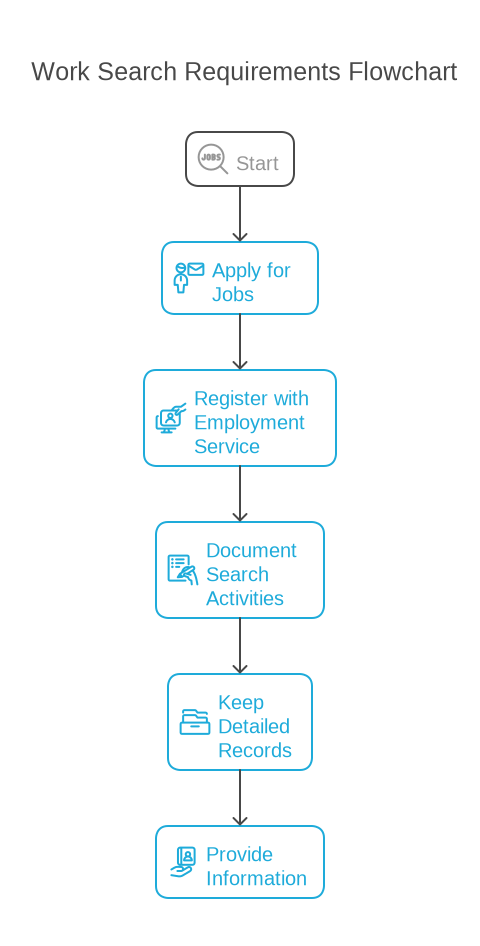
Keep detailed records of all job search activities, as you may be asked to provide this information during certifications or for random audits.
Benefit Payments
If approved, you’ll typically receive your first payment within 2-3 weeks after filing. Payments are usually made via:
- Direct deposit to your bank account (fastest method)
- State-issued debit card
- Paper check (least common)
Remember that unemployment benefits are taxable income. You can choose to have federal (and sometimes state) taxes withheld from your payments.
After Approval or Denial
If Approved:
Continue filing weekly certifications and maintain your work search activities. Report any changes in income or employment status promptly. Use your state’s unemployment portal to monitor payments and stay informed about your claim status.
If Denied:
You have the right to appeal the decision, typically within 10-30 days. The denial notice will explain the reason for denial, appeal deadline, how to file an appeal, and what to expect during the appeals process.
Using Your Time Effectively
While receiving unemployment benefits, use this time to strengthen your career prospects. Update your resume and LinkedIn profile to reflect your most recent experience and skills. Develop new skills through free or low-cost online courses that enhance your marketability.
Network with industry professionals through virtual events and professional organizations. Consider temporary or part-time work to supplement your benefits (reporting any earnings accurately). Explore career counseling services through your state’s workforce center and research growing industries that match your skills.
Common Challenges and Solutions
Challenge: Application Delays
Solution: Double-check all information before submitting, respond quickly to any requests for additional information, and use your state’s online portal to check your claim status.
Challenge: Account Access Issues
Solution: Contact technical support through your state’s unemployment office, not a third-party service. Never share your account credentials with unauthorized individuals.
Challenge: Denied Claims
Solution: Carefully review the denial reason, gather supporting documentation, and file a timely appeal. Consider seeking free legal assistance through your state’s legal aid services.
Challenge: Unreported Earnings
Solution: Always report any income earned during weeks you claim benefits. Failing to do so could result in overpayments and penalties.
Protecting Yourself from Fraud
Unemployment fraud has increased dramatically in recent years. Protect yourself by never paying someone to file a claim for you and keeping your personal information secure. Be suspicious of unsolicited calls or emails claiming to be from unemployment offices.
Create strong, unique passwords for your unemployment account and regularly monitor your claim for unauthorized changes. Report suspected fraud to your state unemployment agency immediately.
Transitioning Off Unemployment
As you approach the end of your benefit period or secure new employment, stop filing weekly certifications once you begin working full-time. Report part-time work and earnings accurately if you continue to qualify for partial benefits.
Consider gradually reducing benefits through part-time work as you transition back to full employment. Explore extension options if still unemployed when regular benefits exhaust. Connect with career services for additional job search assistance and support during your transition.
How We Can Help
When the shock of a layoff hits, you don’t have to navigate the aftermath alone. At Layoff Lifeline, we stand beside you with practical support and emotional guidance through every step of your transition.
Our comprehensive resources address your immediate concerns—from benefits applications to financial planning—while our crisis-inspired support model ensures you have someone to turn to during difficult moments.
We understand the emotional weight of job loss isn’t just about missing paychecks—it’s about identity, purpose, and next steps. Whatever you’re feeling right now is valid, and we’re here to help you move forward with confidence and clarity.
FAQs
How long does it typically take to receive my first unemployment payment?
Can I collect unemployment if I quit my job?
Will receiving severance pay affect my unemployment benefits?
What happens if I work part-time while receiving benefits?
How do I appeal if my claim is denied?
Conclusion
Navigating the unemployment benefits system is a crucial step in your career transition journey. While the process may seem complex, approaching it systematically will help you access the support you need. At Layoff Lifeline, we believe that with the right resources and mindset, this temporary setback can become a powerful launching point for your professional growth.
Ready to transform your career transition? Visit our website for personalized coaching, resume reviews, and emotional support services designed specifically for professionals in transition. Our team has been where you are and can guide you toward emerging stronger than before. Remember: this isn’t just about surviving until your next job—it’s about thriving in your next chapter.
Keep Reading
More practical guidance for the financial, career and emotional side of a layoff.


